Georgia’s governor has called for a special session of the Georgia General Assembly to convene on Wednesday, June 17. Unlike traditional sessions, where members can introduce legislation on any topic and meet for a set number of days, special sessions are typically much shorter, members pass significantly fewer bills and are limited to the subject matter in governor’s proclamation.
Here are some frequently asked questions about the special session:
How long is a special session?
Regular sessions of the Georgia General Assembly are limited to 40 non-consecutive days in total every year; special sessions can only meet for a maximum period of 40 days. Special sessions typically meet for a much shorter time. For example, the special session in 2023 lasted nine legislative days; in 2021, 15 legislative days; in 2019, five legislative days; and in 2011, ten legislative days.
How does a special session differ from a regular session?
Lawmakers will only consider legislation that is provided for by the governor’s proclamation. Legislation not related to the proclamation that is passed (and even signed by the governor) is unconstitutional and void. The ACLU of Georgia is focused on parts of the proclamation related to 1) redrawing congressional and legislative boundaries for the 2028 election, a move that comes after a recent U.S. Supreme Court ruling that weakened the Voting Rights Act and opened the door for states to redraw political maps without considering race, and 2) addressing a state law that bans Georgia from using QR codes for the official or final ballot counts after July 1.
The governor amended the proclamation for the special session on June 2. Lawmakers will also work on tax issues and the governor's appointments for office.
What outcomes are expected from this special session?
Looking at the recent special sessions, we should expect lawmakers to consider and possibly pass new voting maps.
Lawmakers will also act on the QR code deadline. Without a clear plan, counties may face legal confusion, last-minute election changes, and serious challenges in running elections. For voters, abrupt changes could cause long lines and confusion at the polls, making voting harder and undermining trust in the process. The best outcome currently, and the path forward we and many other advocates suggest, is to extend the deadline until 2028.
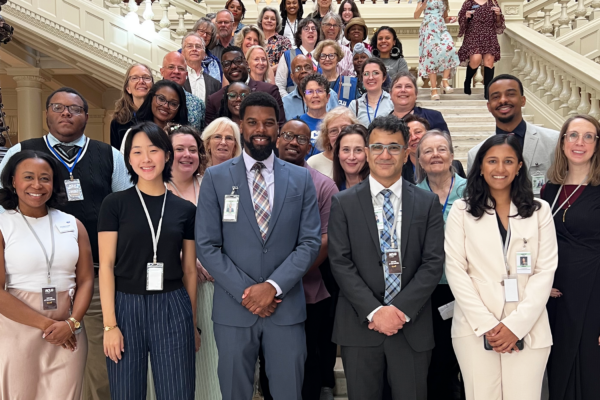
The ACLU of Georgia’s legislative team will be at the Capitol during the special session to help supporters and the community to ensure free and fair elections and fair and just maps. Continue to follow us for more updates and information.