
Speech and Privacy
The ACLU of Georgia works to expand the right to privacy, increase the control individuals have over their personal information, and ensure civil liberties are enhanced rather than compromised by technological innovation.
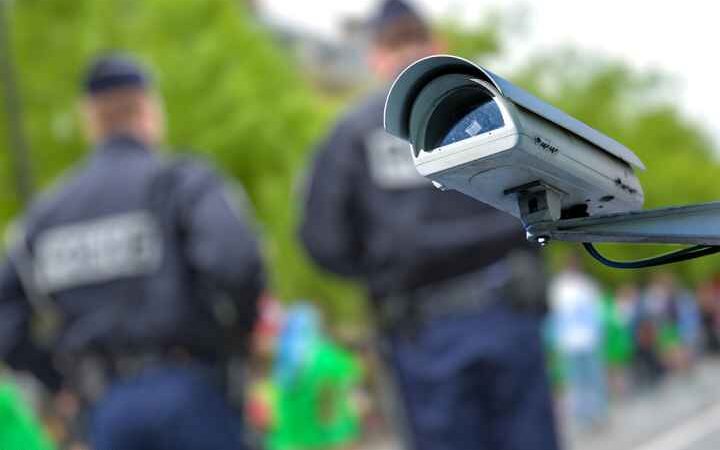
What you need to know
24,800
Cameras in Atlanta available to law enforcement
4th Amendment
The government argues that the Fourth Amendment protects information that you keep in your desk, but not information that you keep online, like old emails or pictures.
NSA
In order to carry out mass surveillance, the NSA has weakened the security of the communications systems that we all rely on.
Protect our Privacy
Pass Community Control Over Police Surveillance in Atlanta
Atlanta is the most-surveilled city in the U.S. and one of the most surveilled cities in the world. These surveillance technologies collect vast amounts of information about where we go, who we see, and what we do. Once collected, surveillance data often spreads far beyond its original purpose. Without strong safeguards, it can be quietly shared with federal agencies or other jurisdictions without public knowledge or consent and misused to target protestors, immigrants, LGBTQ+ people, or people seeking reproductive care.
The ACLU of Georgia is advocating for a “Community Control Over Police Surveillance” (CCOPS) ordinance in Atlanta, which would give residents and local elected officials a say in whether, and how, surveillance tech is used in their communities. These ordinances have already been adopted in 26 cities across the country, where they serve to protect and empower nearly 18 million people.
Protect Our Privacy: Community Control Over Police Surveillance in Atlanta calls for increased transparency, oversight, and accountability around law enforcement’s purchase and use of surveillance technologies.
SOURCES:
Chad Marlow, Let There Be Light: Cities Across America Are Pushing Back Against Secret Surveillance by Police, 2016, www.aclu.org
Jurgita Lapienyte, This is the Most Heavily Surveilled City in the US: 50 CCTV Cameras per 1,000 Citizens, 2021, www.cybernews.com
Security Cameras Make Us Feel Safe, but Are They Worth the Invasion? 2022, www.nytimes.com
Too Much Surveillance makes us Less Free. It also Makes us Less Safe, 2017, www.WashingtonPost.com
The Latest

Press Release: ACLU, ACLU of Georgia and Free Press Action speak out against SB 473
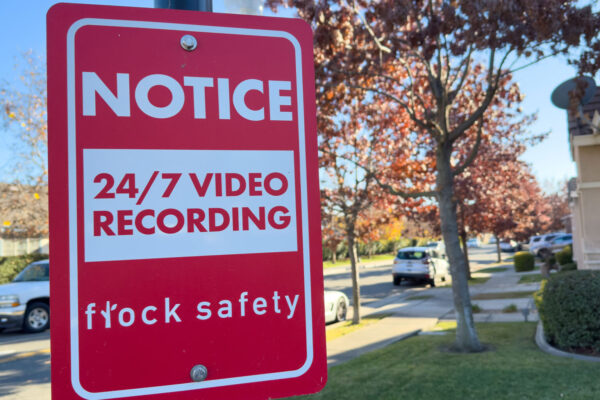
Despite 'New' Updates, Flock's Creepy Cameras Remain Major Civil Liberties Threat
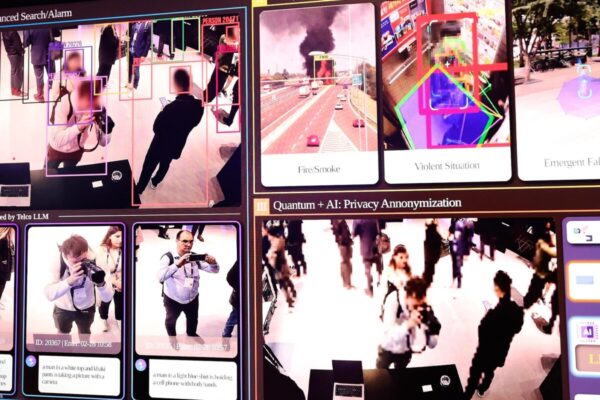
More than a Dozen Wrongful Arrests Due to Police Reliance on Facial Recognition Technology

Cases, Campaigns & Legislation
House Bill 566
Senate Bill 591
Stay Informed
Sign up to be the first to hear about how to take action.
By completing this form, I agree to receive occasional emails per the terms of the ACLU’s privacy statement.
By completing this form, I agree to receive occasional emails per the terms of the ACLU’s privacy statement.