
decorative

Protect our Privacy: Pass Community Control over Police Surveillance in Atlanta
TAKE ACTION

Join our team of dedicated and active volunteers supporting Community Control Over Police Surveillance (CCOPS), an ordinance that strengthens transparency and accountability by ensuring that our communities have a voice in if and how surveillance tools are deployed.

Sign Up

Last updated on April 28, 2026

Protect Our Privacy: Community Control Over Police Surveillance in Atlanta calls for increased transparency, oversight, and accountability around law enforcement’s purchase and use of surveillance technologies.

Surveillance Technology in Atlanta

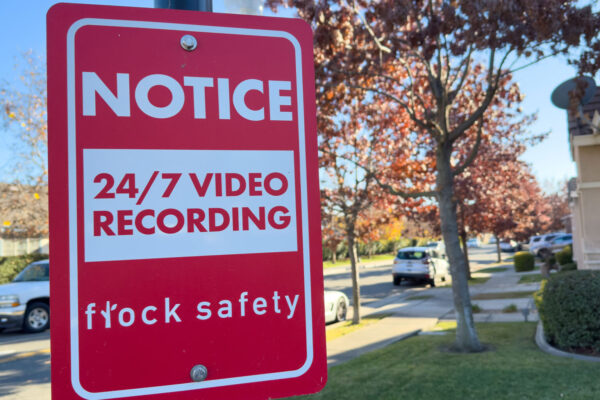
Atlanta is the most-surveilled city in the U.S. and one of the most surveilled cities in the world. Various surveillance technologies constantly collect vast amounts of information about where we go, who we see, and what we do, even though the majority of us have done nothing wrong.

Learn more about the surveillance technologies that are routinely deployed by law enforcement.

Why Oversight is Urgent in Atlanta

Once collected, data captured by surveillance technologies often spreads far beyond its original source and purpose. Without strong safeguards, data can be discreetly shared with other jurisdictions or federal agencies like ICE without public knowledge or consent, where it can be used to target protestors, immigrants, LGBTQ+ people, people seeking reproductive care, and other vulnerable communities. These risks aren’t hypothetical.

In an opinion piece published in the Atlanta Journal-Constitution, the ACLU of Georgia examined how deeply surveillance has expanded across the city and what it means for our rights. The piece, “Atlanta surveillance is more vast than you think. Time for stronger oversight,” focuses on how surveillance affects immigrant communities and people exercising their First Amendment rights.

Here are other examples of real cases across the country and in Atlanta:

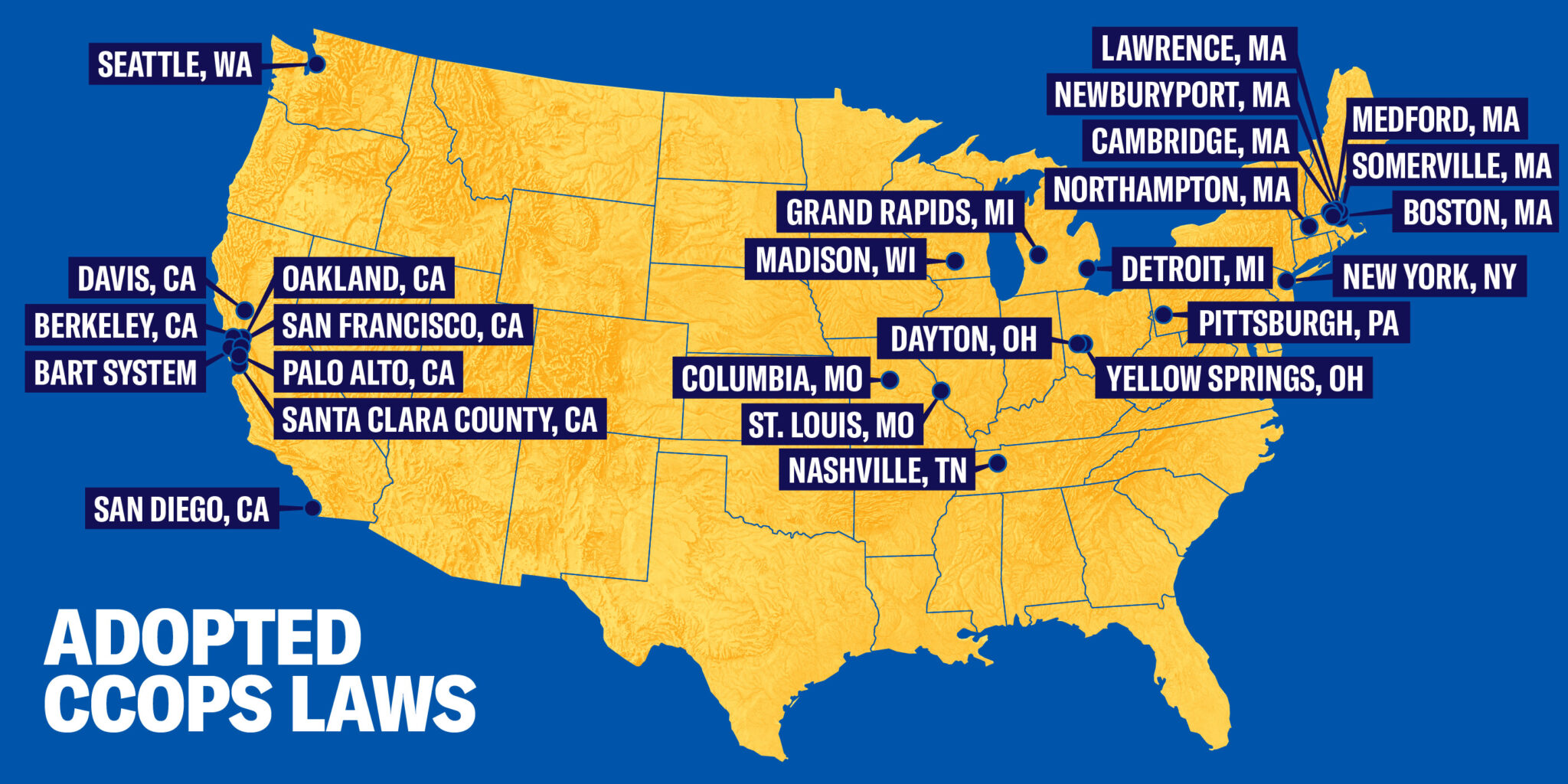
That’s why the ACLU of Georgia is advocating for a “Community Control Over Police Surveillance” (CCOPS) ordinance in Atlanta, which would follow the national gold standard giving residents and local elected officials a say in whether, and how, surveillance tech is used in their communities. These ordinances have already been adopted in 26 cities across the country, where they serve to protect and empower nearly 18 million people.

ccops map

CCOPS laws have been adopted in 26 jurisdictions from coast to coast.

Benefits of Community Control Over Police Surveillance

  • CCOPS requires city agencies to submit consistent, critical information to the public and city council prior to seeking approval for a contract or donation for surveillance technology, including what data will be collected, how it could be used, who has access, and how long the data will be kept.
  • CCOPS does not block city contracts or prevent the city from using surveillance technology. Instead, it creates a process for city council to thoughtfully consider surveillance technology contracts or donations through a process that is transparent and open to public input.
  • While CCOPS cannot regulate surveillance technologies owned and operated by federal agencies, it can place clear limits on how federal agencies access and use data collected by local police technologies.

Your Rights Against Surveillance

The Fourth Amendment of the United States Constitution protects against “unreasonable searches and seizures.” As surveillance technologies become more widespread, so do the risks of intrusive, overbroad, and unchecked monitoring of our most private spaces and personal activities. Communities need safeguards against surveillance that threaten privacy and the right to live free of targeting and discrimination.

Atlanta City Council CCOPS Support

We asked the 2025 candidates for Atlanta City Council: If elected, will you require public oversight and transparency, before police can acquire or use surveillance technologies?

See how your council member responded.

*Note: Responses are included only for members who provided an answer to the ACLU of Georgia’s CCOPS support question.

Related Content

News & Commentary
May 07, 2026
Free Future blog graphic depicting a women looking at computer screens reviewing data

Municipalities: Beware of Changes in Flock’s Legal Terms if You’re Using or Considering License Plate Readers

A flurry of Flock contract changes disempower customers