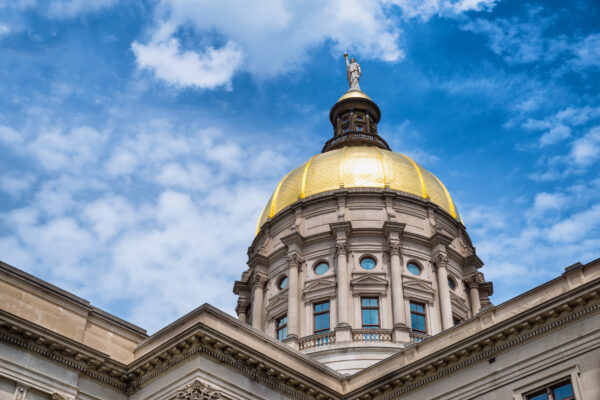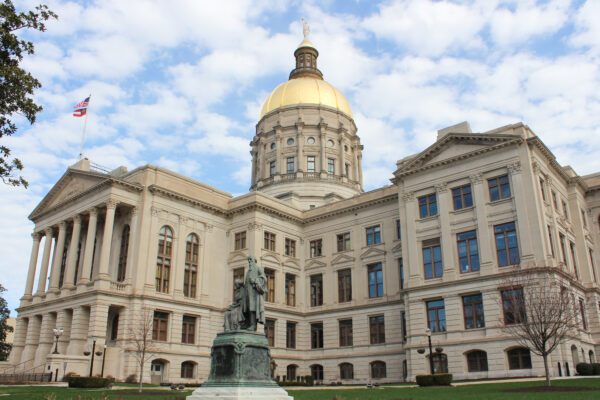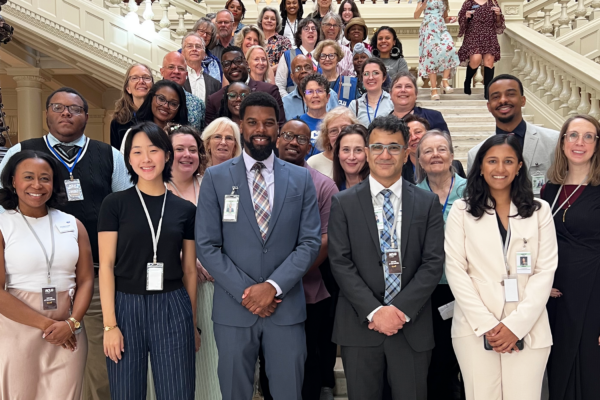
Elections in Georgia are moving forward securely, with the May primaries resulting in multiple runoff races. However, big changes could be ahead for the state’s voting system. The ACLU of Georgia, supporters, and advocacy partners will continue defending Georgians’ votes as lawmakers return to the Capitol on June 17 for a special session.
We’re focused on two issues outlined in the governor’s proclamation that could shape future elections in Georgia: the state’s looming QR code deadline and the redrawing of voting maps after the U.S. Supreme Court’s decision in Louisiana v. Callais. While these issues are different, both raise serious concerns about whether voters will continue to have fair, accessible, and trustworthy elections.
If you want to learn more about how the state’s special sessions work, check out our 2026 special session FAQ.
Georgia’s QR Code Deadline
In 2024, the Georgia legislature passed Senate Bill 189, which requires the state to stop using QR codes to officially count votes by July 1. Lawmakers passed the requirement without creating a replacement system or providing counties with funding or guidance on how to comply.
Counties are legally required to run uniform elections statewide, but they do not have the authority to independently change voting systems on their own.
This situation was avoidable. Lawmakers created the deadline, and lawmakers now have the responsibility to fix it. The upcoming session gives them an opportunity to create a path forward for elections beyond 2026.
But let’s be clear: Any changes to Georgia’s voting systems must be carefully planned and implemented with enough time for everyone to adapt.
The ACLU of Georgia is urging lawmakers to give counties the tools they need to administer secure and accessible elections while protecting the right to vote. We believe the best option to achieve these lofty goals is pushing the QR code deadline until Jan. 1, 2028.
Not giving counties and voters what they need risks undermining confidence in Georgia elections.
The Fight Over Redistricting
Lawmakers will also take up redistricting during the special session. The push to redraw voting maps in Georgia and numerous other states follows the U.S. Supreme Court’s decision in Louisiana v. Callais, which weakened what remained of Section 2 of the Voting Rights Act.
The act was one of the country’s most important protections against racial discrimination in voting. For decades, it helped communities challenge jagged districts that unfairly diluted the voting power of Black voters.
Georgia is one of several states moving toward redistricting battles. Lawmakers are expected to consider changes to congressional, state House, and state Senate maps during the special session. The new maps would not affect the 2026 elections because voting is already underway, but they could impact fair elections beginning in 2028.
Fair representation did not happen by accident. Communities across the South spent generations risking their safety to secure voting rights. Many of those protections are now under renewed threat.
We’ll continue monitoring the redistricting process and pushing for fair districts that protect equal representation for all Georgians. As lawmakers debate new maps, let’s take a page from those who came before us and demand what we are due at the polls and in our communities.
The ACLU of Georgia urges all eligible voter to use their right to vote in November. Every member of the General Assembly is on the ballot this year. Let’s vote like our rights depend on it.